New Arizona law boosts muni bonds for housing infrastructure

Bloomberg News
Land-secured municipal bond financing may be poised to take off in Arizona because of a new state law that took effect this month.
Processing Content
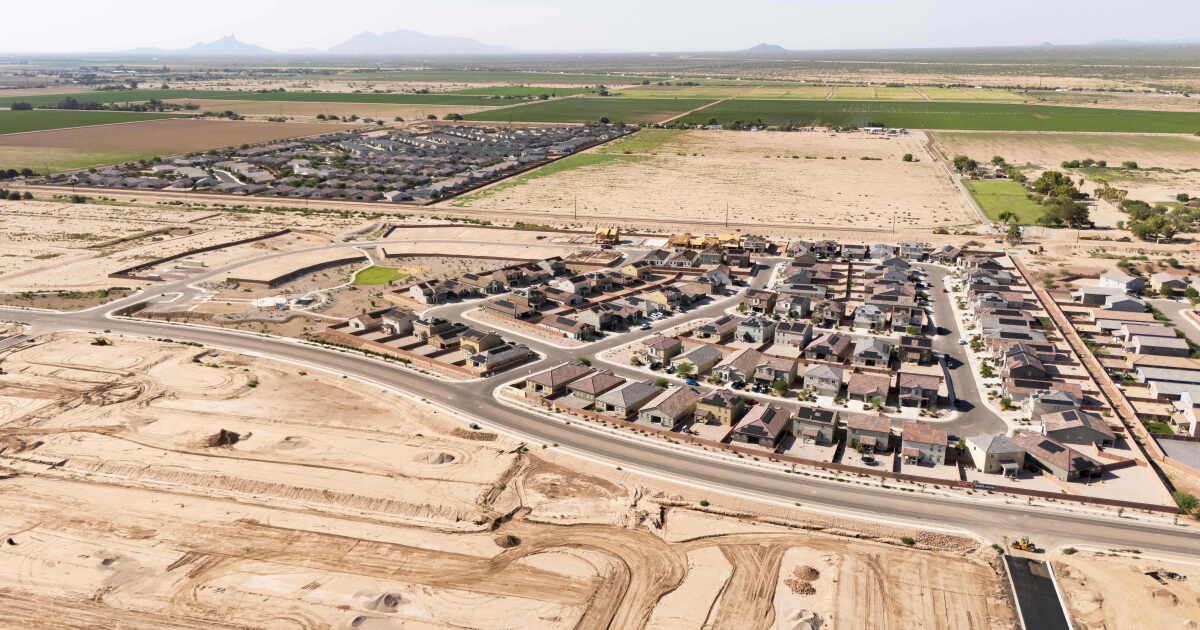
The State Affordability Infrastructure District law is designed to streamline and standardize the process of creating special districts that can issue bonds to finance necessary infrastructure for housing tracts and other developments.
Arizona’s population is growing quickly — at a Census-estimated 7.62 million in 2025, it is up more than 5.9% since 2020 and more than 19% since 2010.
That creates pressure on housing availability and affordability.
The state’s existing land-secured financing tools had become something of a bottleneck, said Tyler Cobb, a partner and public finance attorney at Taft who drafted the SAID legislation.
Colorado and Utah, peer states that also have fast-growing populations, outpaced Arizona in special district infrastructure financing by 39 and 37 times respectively on a per-resident basis since 2020, according
“There’s no other reason other than they had tools more conducive to financing infrastructure,” Cobb said in an interview.
The
The standardized process should unlock the potential of special district financing, Cobb said.
Until now, the main vehicle for such financing has been through
They had to be authorized at the municipal government level, Cobb said, putting an extra burden on local governments who already had a lot on their plates.
“The result of that was cities were very hesitant to form CFDs, and when they did the powers of the CFDs were pretty limited,” Cobb said.
“Very few CFDs got formed,” he said. “To the extent they were formed, it was late in the process.”

unknown
When developers sought to evaluate the feasibility of a project, they didn’t know if a CFD could be formed, how long it would take, and exactly what the local governments would approve, Cobb said.
Now they have a set of clear published guidelines from the Arizona Finance Authority, which will review the applications.
“Rather than paying for infrastructure costs up front, the formation of a SAID can reduce initial capital requirements, spread infrastructure costs over up to 30 years at municipal tax-exempt interest rates, improve project cash flow and overall project feasibility, and accelerate public infrastructure delivery and physical home construction,” AFA Executive Director Gregg Ghelfi said in a statement.
At the same time, key development decisions about zoning and entitlements remain with local governments.
“We said, ‘Hey, this doesn’t change what gets built or how it gets built, it just changes how it gets paid for,'” Cobb said.
“Arizona needs more homes people can actually afford, and that means we have to be honest about what drives up the cost of building,” the bill’s sponsor, Republican state Rep. Jeff Weninger
The drive for affordability in housing helped bridge the steep partisan divide between the state’s GOP-run legislature and the Democratic governor.
“The formation of State Affordability Infrastructure Districts will facilitate the development of new communities, lowering housing costs by removing the upfront infrastructure costs that can pose a barrier to new housing,” Hobbs said in a statement earlier this month announcing the implementation of the new districts. “Giving builders and property owners the ability to use this funding mechanism to pay for public infrastructure in their communities helps make homes in those communities more affordable, particularly for first-time buyers.”
While financing roads, utilities and other prerequisites of residential master-planned communities was at the heart of developing the SAID structure, there is more flexibility in the new law, allowing districts to be formed to fund infrastructure for non-residential development, Cobb said.
The first SAID applications are in, and Cobb anticipates the first bond issuance by January, though December is possible. He expects a gradual ramp-up that will make a big difference in the long run.
“We have pent up demand,” he said. “There’s a backlog of projects. I think it’s going to be 10, 20 or 30 times the volume of CFD debt in Arizona.”